microÚs project
microÚs project

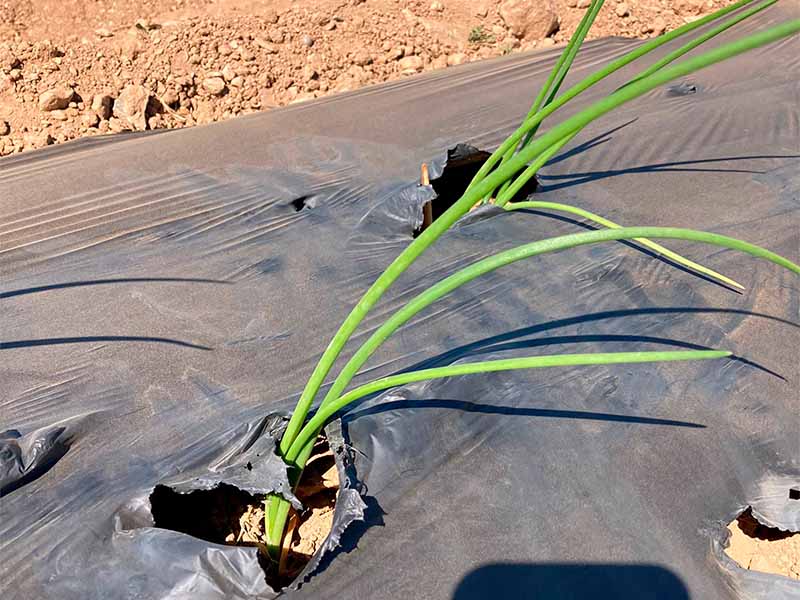
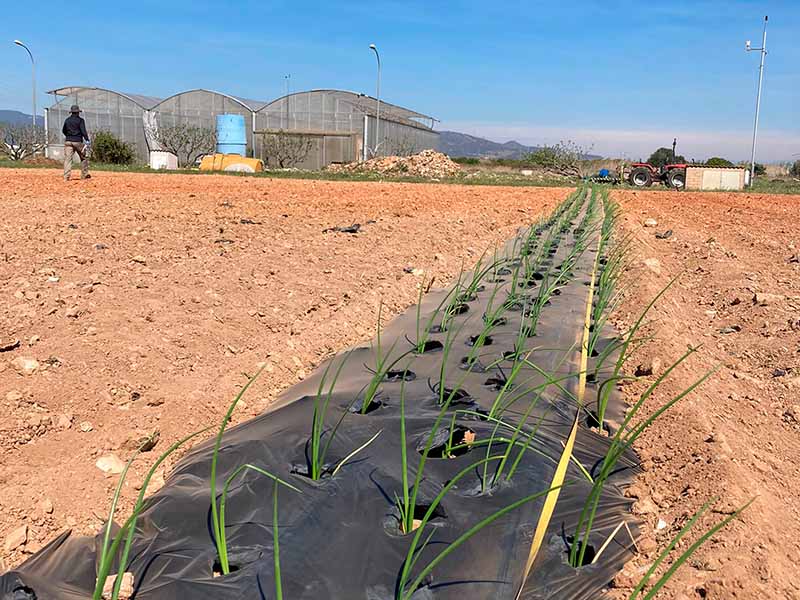
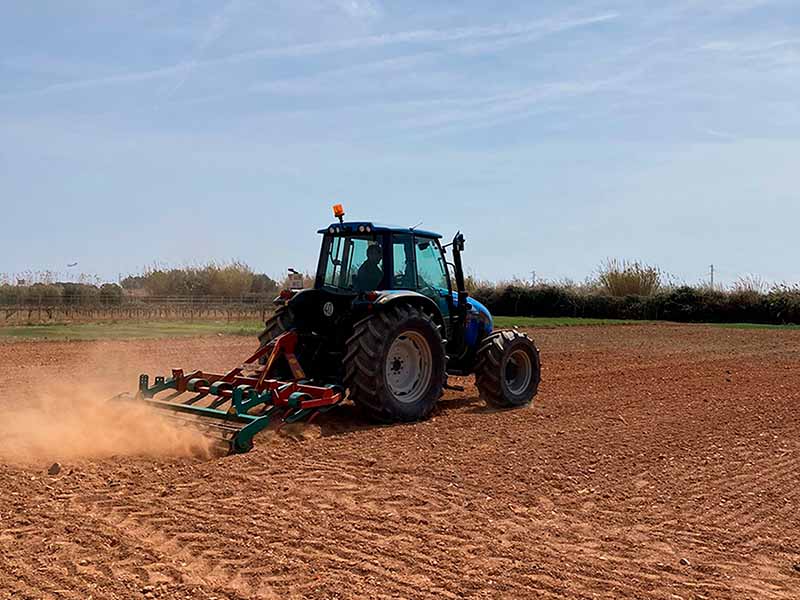
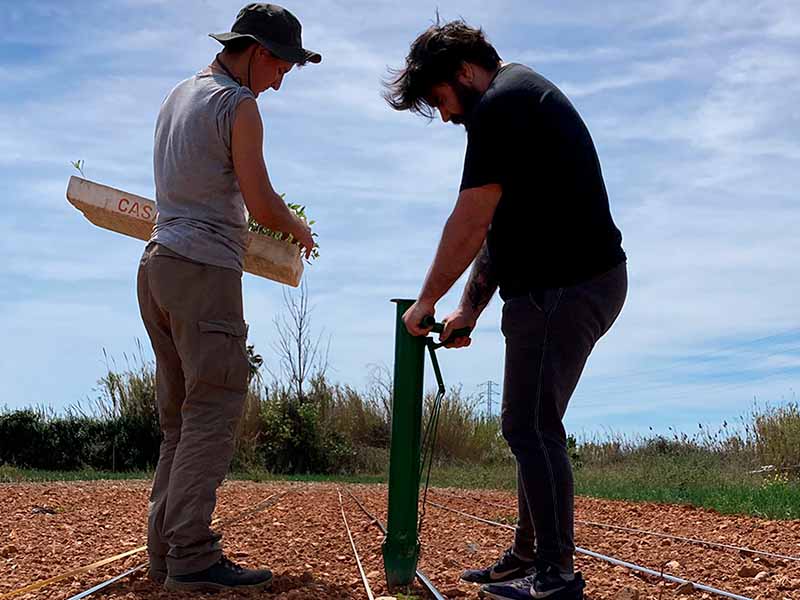
A little bit about the project:
The repeated application of copper-based pesticides is currently one of the main sources of copper contamination in agricultural soils. Regulation (EU) 2018/1981, approved on December 13, 2018, has highlighted the urgent need to reduce copper use or find more sustainable alternatives, especially in intensive horticultural crops, which have a high dependence on this metal.
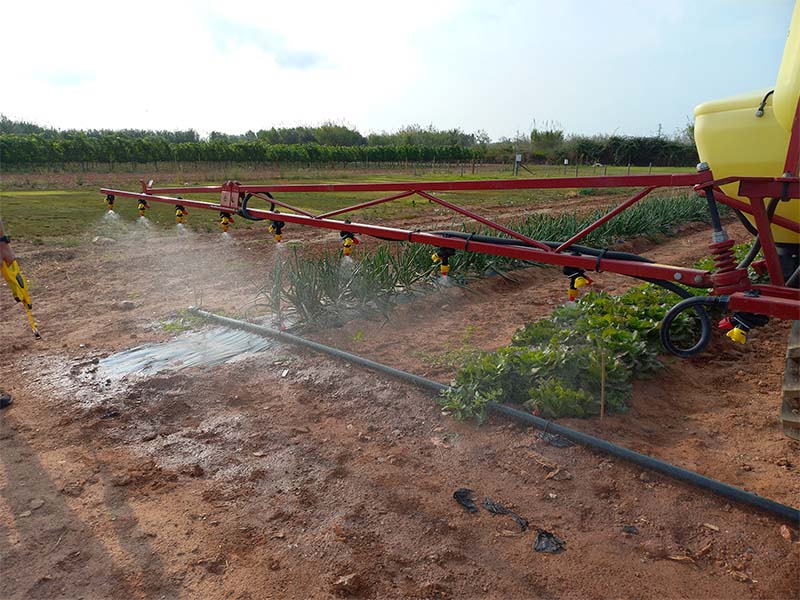
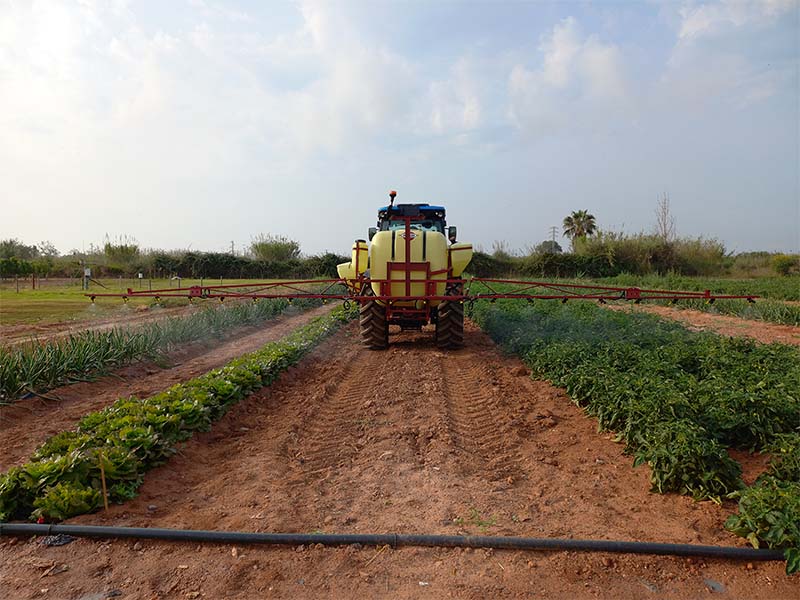
This project aims to demonstrate how the use of a new micro-encapsulated copper formulation significantly improves product deposition on the leaves of various horticultural crops important in Catalan agriculture, such as lettuce, onion, and tomato.
Main objective
To validate that the use of micro-encapsulated copper allows increasing the efficiency and effectiveness of phytosanitary treatments, reducing the amount of copper applied and decreasing environmental impact, in compliance with current European regulations.
Why a new solution is needed
Intensive Copper Use Causes Several Problems:
- Accumulation of the metal in agricultural soils.
- Risks to biodiversity and soil microbiota.
- High dependence in intensive horticulture.
- Increasingly strict regulatory restrictions on its use.
The incorporation of technologies such as microencapsulation offers a way to maintain phytosanitary protection while reducing the negative effects associated with traditional copper.
Project Methodology and Approach:
I. New Micro-Encapsulated Formulation
Copper is presented in the form of microcapsules that:
- Improve its adhesion and distribution on the leaf surface.
- Protect the active ingredient and allow for more controlled release.
- Increase efficacy, allowing the use of lower doses.
II. Evaluation in Representative Horticultural Crops
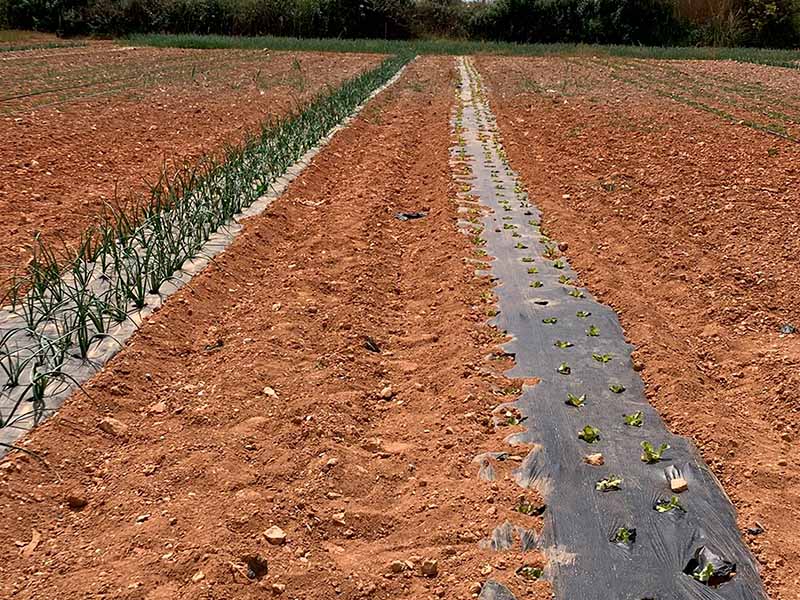
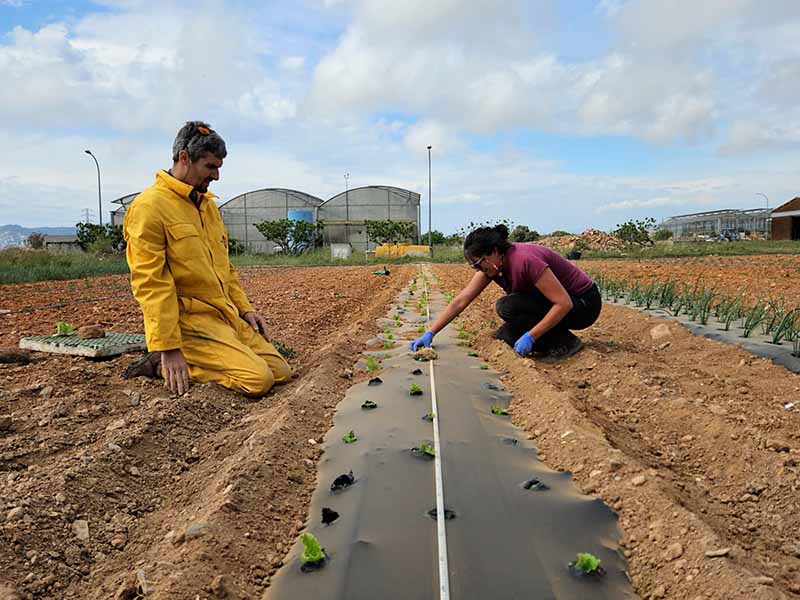
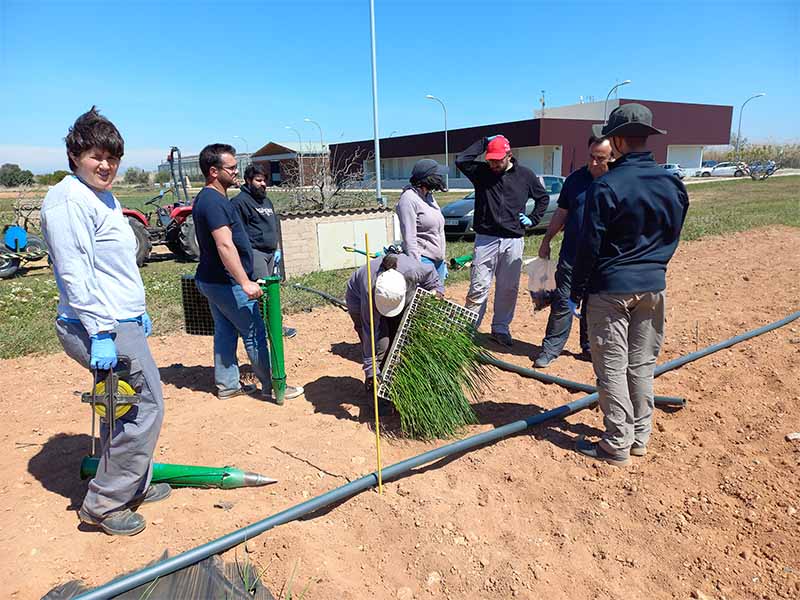
The trials are conducted on:
- Lettuce, widely grown in open-field and greenhouse horticulture.
- Onion, a key crop in horticultural areas of Catalonia.
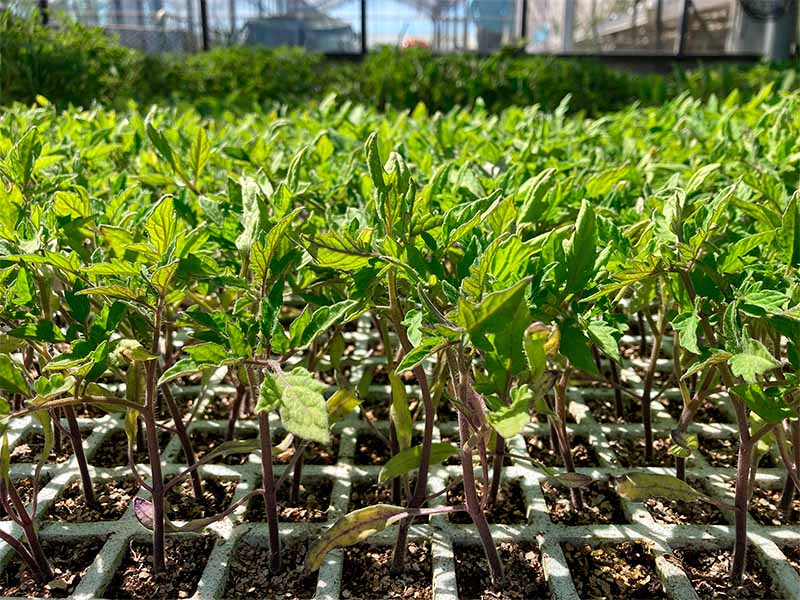
- Tomato, one of the most sensitive crops with significant economic importance.
III. Measurement of Copper Deposition
The project analyzes how much copper is actually deposited on the leaves when using this innovative formulation, comparing it with conventional copper products.
Project Benefits
- Significant reduction in the amount of copper applied per hectare.
- Greater sustainability, by reducing metal accumulation in the soil.
- Equal or superior phytosanitary efficacy compared to traditional products.
- Lower environmental impact, in line with the requirements of Regulation (EU) 2018/1981.
- Promotion of more responsible and sustainable agricultural practices, aligned with European objectives.
A Step Toward Sustainable Phytosanitary Protection
This project demonstrates that innovation in formulation design, such as micro-encapsulated copper, makes it possible to combine effective crop protection with reduced environmental impact. Its adoption could mark a turning point in copper management in horticulture, contributing to a more efficient and sustainable agricultural model.